Step 1: Measure Your Space and Identify Obstacles
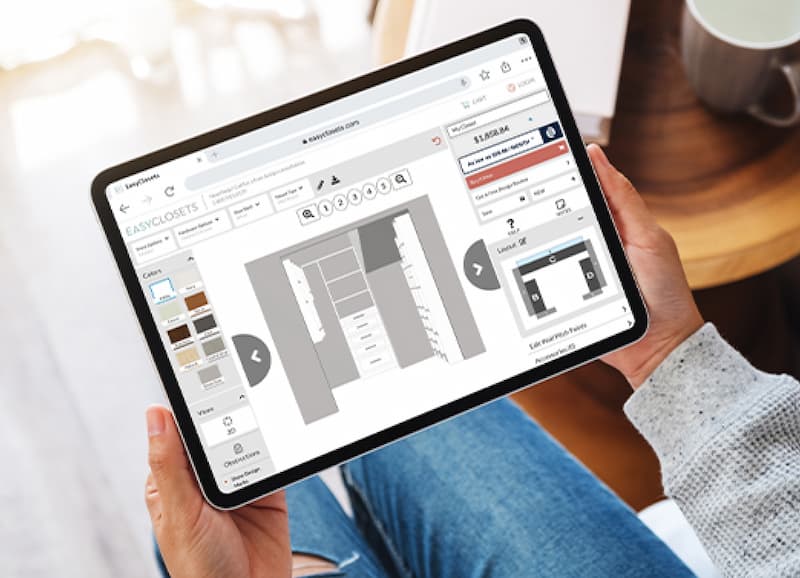
Walk-in closet planning starts with one essential step: understanding your available space. That means more than just eyeballing—it’s about accurate measurements and noting any architectural quirks (see Pro Tip below) that could impact the design.
Watch this video to spruce up your measuring skills and ensure a perfect fit.
Pro Tip: Take note of anything that might limit where storage can go—think windows, doors, angled ceilings, outlets, or HVAC vents. These details help your designer create a layout that maximizes every inch without running into frustrating surprises during installation.
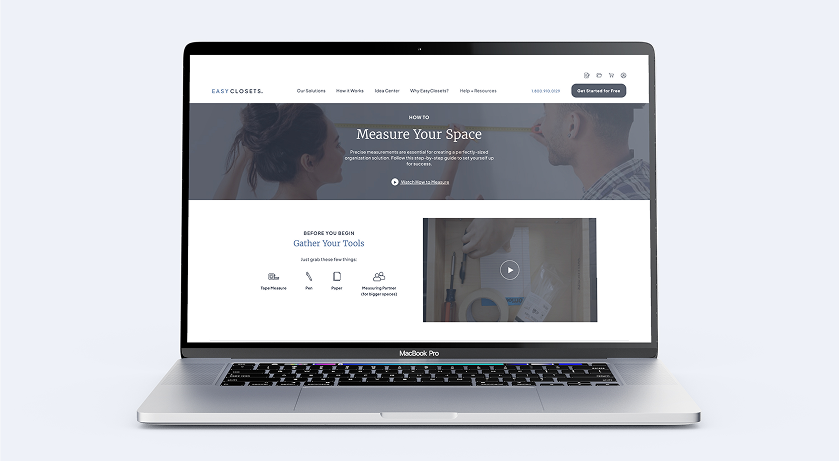
Walk-in closet planning starts with one essential step: understanding your available space. That means more than just eyeballing—it’s about accurate measurements and noting any architectural quirks (see Pro Tip below) that could impact the design.
Watch this video to spruce up your measuring skills and ensure a perfect fit.
Pro Tip: Take note of anything that might limit where storage can go—think windows, doors, angled ceilings, outlets, or HVAC vents. These details help your designer create a layout that maximizes every inch without running into frustrating surprises during installation.
Step 2: Understand Your Wardrobe & Storage Priorities
Your closet should reflect how you live. Identifying your storage priorities early helps you and your EasyClosets designer choose the right custom components to support your daily routine and storage habits. Here are a few scenarios to consider:
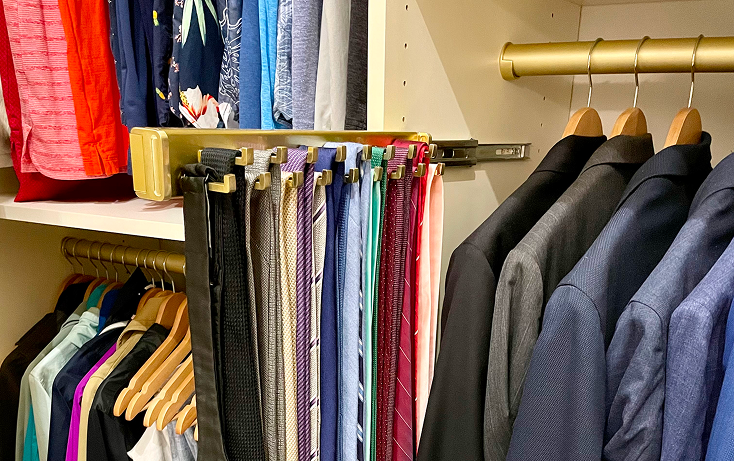
For the business professional:
- Use double-hanging sections for shirts, slacks, and blazers.
- Add a valet rod to plan your outfit the night before or to steam clothes easily.
- Include a tie rack to keep your ties organized and within reach.
Bonus tip: Even business professionals love to be cozy at night. Include dedicated shelves for comfy favorites like joggers, tees, and slippers.
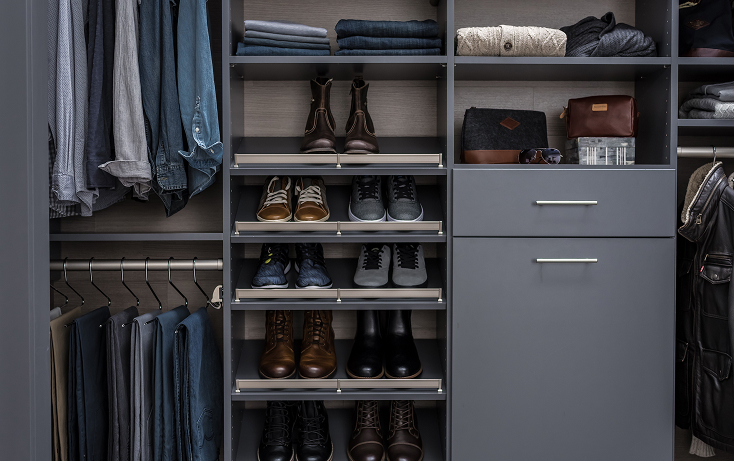
For the shoe lover:
- Use slanted shelves for a boutique display.
- Add adjustable shoe shelves near the door for grab-and-go convenience.
- Plenty of space to work with? Add a shoe wall.
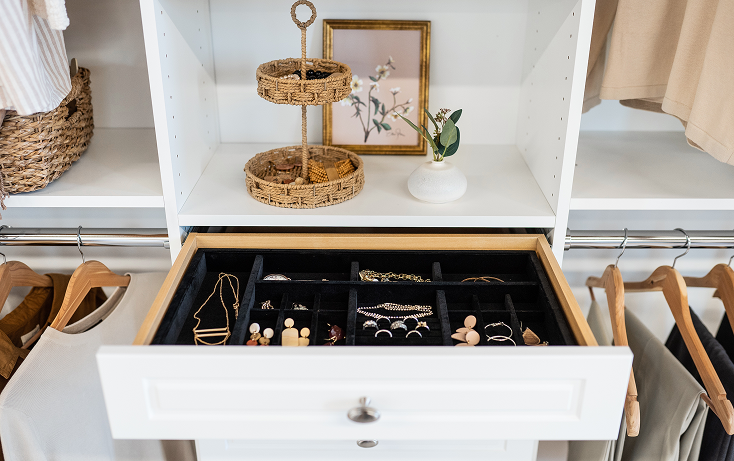
For the accessory collector:
- Add a jewelry tray to a 5" drawer to keep delicate pieces protected and organized.
- Include a belt rack to preserve your belt’s shape and quality.
- Compartmentalize purses and bags with acrylic shelf dividers.
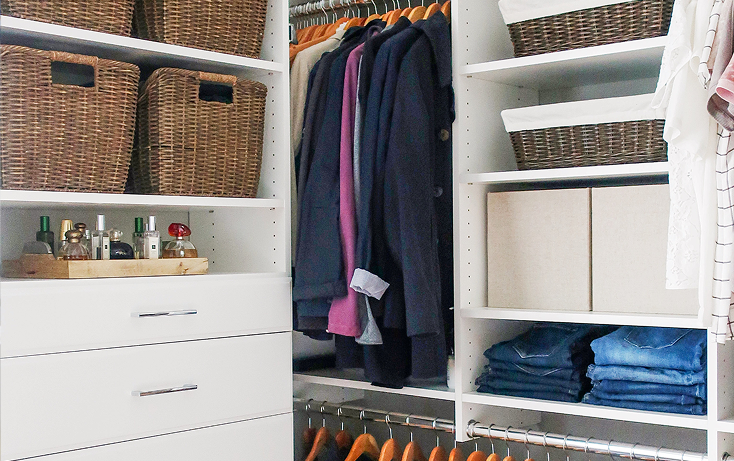
For the minimalist and hidden storage fan:
- Include plenty of soft-close drawers to store socks, undergarments, and folded basics.
- Use baskets on adjustable shelves to keep miscellaneous items neatly contained.
- Add a pullout laundry basket to discreetly hide dirty clothes and keep your space feeling fresh.
Step 3: Visualize Your Daily Flow and Layout
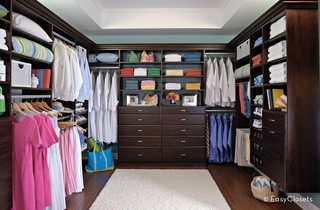
Plan your closet layout around how you get dressed each day. Group clothes by type or frequency of use and consider including a valet rod for outfit planning or a built-in hamper to simplify laundry day.
The layout should support your morning routine and help you move efficiently through the space. Features like a mirror, seating, or lighting can enhance the flow without overwhelming it.
Don’t forget to plan for open vs. closed storage, depending on whether you want items visible or tucked away.
View this infographic for inspiration on how to make the most of your space.
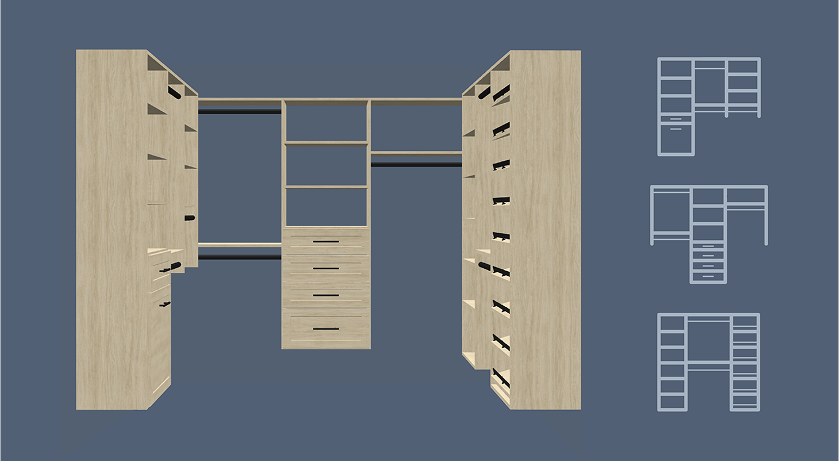
Plan your closet layout around how you get dressed each day. Group clothes by type or frequency of use and consider including a valet rod for outfit planning or a built-in hamper to simplify laundry day.
The layout should support your morning routine and help you move efficiently through the space. Features like a mirror, seating, or lighting can enhance the flow without overwhelming it.
Don’t forget to plan for open vs. closed storage, depending on whether you want items visible or tucked away.
View this infographic for inspiration on how to make the most of your space.
Step 4: Customize For Function and Style
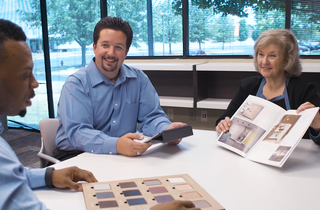
Understanding the aesthetic you're after—whether its bright and airy, dark and modern, or anything in between—will influence layout, finishes, and features.
Your closet’s style should align with the rest of your home's aesthetic, but don’t shy away from adding personal touches.
Explore all finish options.
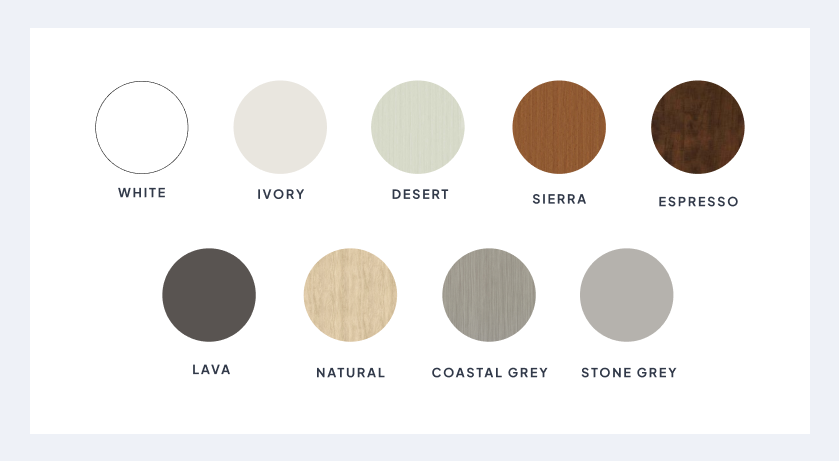
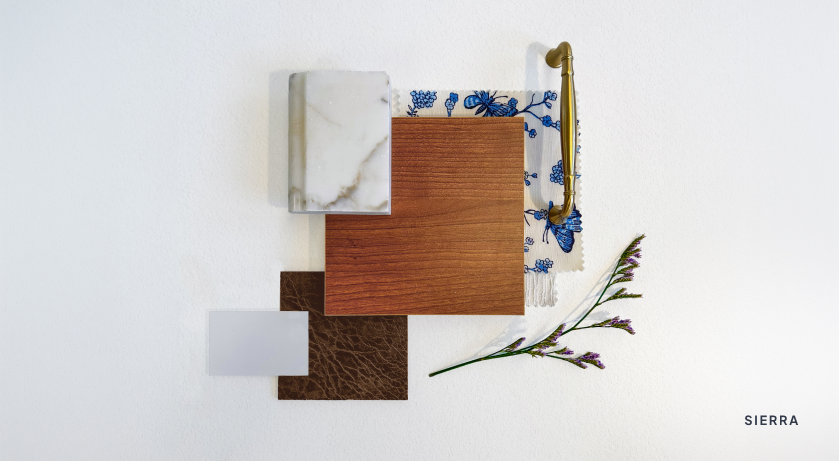
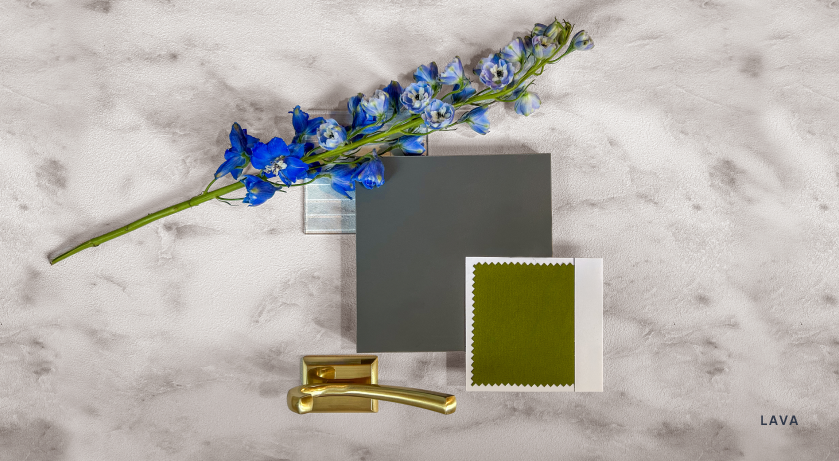
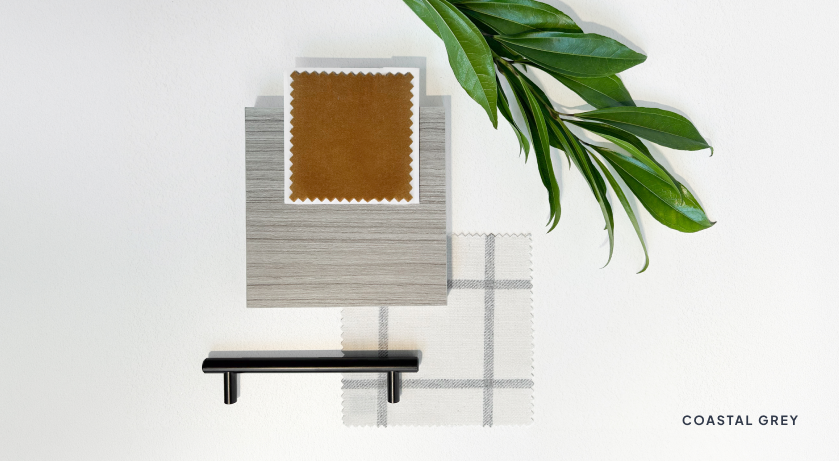
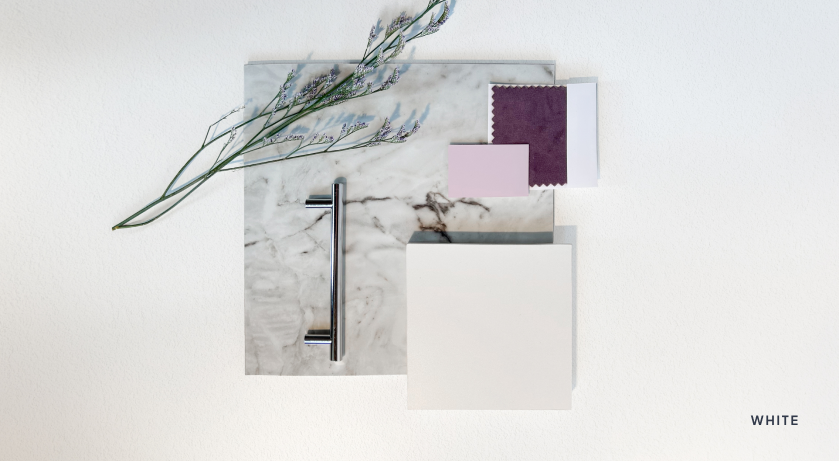
Understanding the aesthetic you're after—whether its bright and airy, dark and modern, or anything in between—will influence layout, finishes, and features.
Your closet’s style should align with the rest of your home's aesthetic, but don’t shy away from adding personal touches.
Explore all finish options.
Step 5: Plan for Maintenance and Longevity
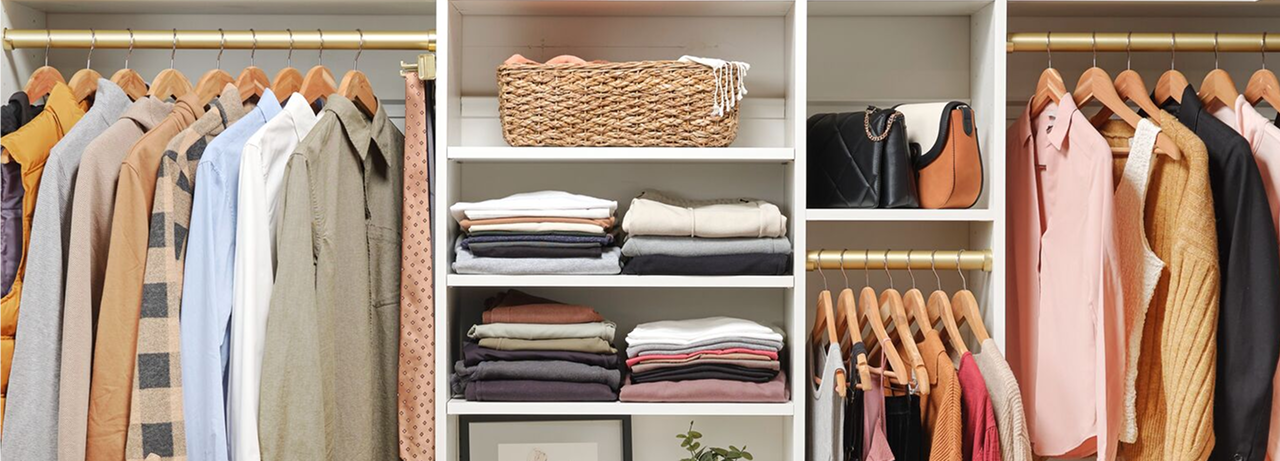
Designing a beautiful closet is one thing—keeping it organized is another. Choose a setup that supports your lifestyle and habits so that maintenance feels effortless.
Closet systems with defined storage zones and accessible features make it easier to put things back where they belong—and keep your space looking as good as it did on day one.
And because EasyClosets systems are made from high-quality, furniture-grade materials with durable finishes, you can count on your design to hold up to daily use for years to come.
Learn more about our product quality.
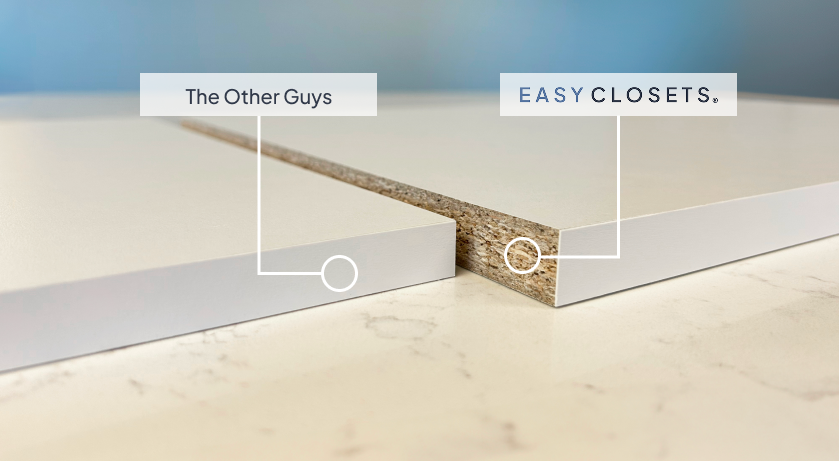
Designing a beautiful closet is one thing—keeping it organized is another. Choose a setup that supports your lifestyle and habits so that maintenance feels effortless.
Closet systems with defined storage zones and accessible features make it easier to put things back where they belong—and keep your space looking as good as it did on day one.
And because EasyClosets systems are made from high-quality, furniture-grade materials with durable finishes, you can count on your design to hold up to daily use for years to come.
Learn more about our product quality.
Your Dream Closet Starts with a Thoughtful Plan
There’s no one-size-fits-all when it comes to how to design a walk-in closet. By measuring carefully, prioritizing your needs, and choosing features that match your lifestyle, you’re not just designing a storage space—you’re creating a personal retreat that works beautifully for you, day after day.
[Get Started for Free]